
Here’s the thing. I used a half dozen browser wallets over the past few years. Some were clunky, some felt risky, and some simply didn’t scale. At first glance Rabby promised an intuitive UI and multi-chain support, but my instinct said double check the permissions before trusting it with real funds. I’m biased, but that cautious hunch actually paid off in practice.
Wow! The moment I installed a fresh extension I noticed small design choices that matter. The transaction preview felt clearer than most — you could actually see gas, token slippage, and contract calls in one place. My first impression was immediate relief; the UI reduced guesswork which, oddly, improves security by reducing user error.
Really? I hear you. Most people just want things to work. For DeFi users, though, “working” means safe, fast, and chain-agnostic. On one hand it’s tempting to trust whatever wallet your friend uses, though actually network and permission details vary widely across chains. My experience taught me to treat each chain like a slightly different app ecosystem, because honestly it is.
Hmm… something felt off about some of the earlier wallets I tried. Initially I thought they were just missing features, but then realized the bigger issue was permission granularity and how approvals were handled. Actually, wait—let me rephrase that: it wasn’t only missing features, it was missing guardrails that stop you from approving the wrong contract by accident. That distinction matters when you’re shifting assets between Ethereum, BSC, Polygon, and lesser-known L2s. So yeah, the small differences pile up quickly.
Whoa! The multi-chain part is especially sweet. Supporting many chains is one thing, but supporting them safely is another. Rabby gives explicit chain context during approvals, which reduces those “oh crap” moments. When a dApp asks for unlimited token approval the wallet flags it clearly, prompting a choice instead of default acceptance. That behavioral nudge alone saved me from a messy token recovery attempt later.
Here’s what bugs me about many wallets: they bury the details. You click, accept, and move on. That casual flow works for coffee orders, not DeFi. My rule is simple—read the contract prompt or don’t sign. Sounds basic, I know, but most of us rush through confirmations on mobile or on a busy commute. (I once signed the wrong txn while waiting for the train—that’s real.)
Check this out—
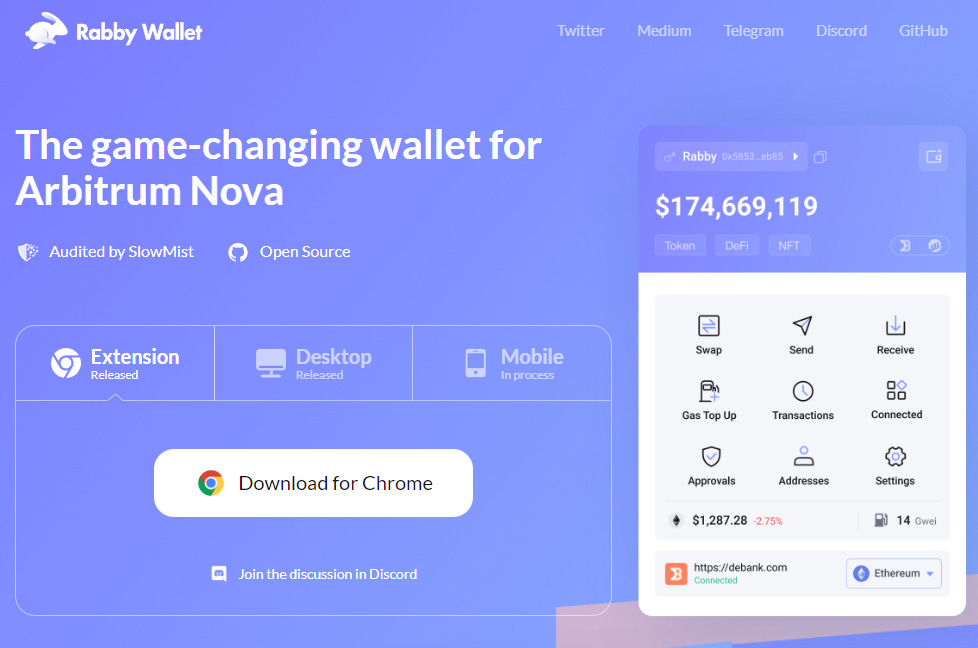
Okay, so check this out—when the UI surfaces approval size, origin chain, and a recommended limit, I actually pause. That pause prevents mistakes. The extension approach means you get these prompts inline with the dApp without switching apps or juggling QR scanners, which is practical in New York rush-hour style life. My instinct said somethin’ good was happening, and the audit trail confirmed it later.
How I evaluate a browser extension wallet (and how you can too)
Here’s the thing. Security is layers, not a single checkbox. Start with open-source code and a public audit, then add good UX, then test how it handles approvals across chains. I downloaded Rabby and ran through token approvals, cross-chain bridges, and gas management to see how it behaved under real conditions. I’m not 100% sure every edge case was covered, but the combination of clarity and control hit the major risk areas for me. If you want to try it yourself, look into a rabby wallet download and run through the steps on a small amount first.
Really? Yes. Try with a tiny txn first. You’ll learn where approvals show up and how chains are labeled. Most wallets let you set custom gas or toggle expert mode; use those until you feel comfortable. My advice: treat a new wallet like a new bank branch—test deposit, test withdrawal, then go bigger. Sounds cumbersome, I know, but it’s the only reliable way to learn the quirks without losing funds.
Wow! One thing that surprised me was how much a good extension reduces cognitive load. Instead of remembering which chain a dApp operates on, the wallet shows it. Instead of juggling multiple networks in separate apps, you get a consistent control panel. The net effect is fewer mistakes and faster workflows when moving liquidity or interacting with yield farms across chains.
Seriously? There are trade-offs. Browser extensions mean your keys sit somewhere accessible on that machine, so endpoint hygiene matters. Use a dedicated browser profile, avoid installing random extensions, and keep your OS updated. On the other hand, extensions are more convenient than hardware wallets for quick DeFi moves, so choose based on risk tolerance and frequency of use. On low-value or test interactions I prefer the extension; for large stakes I still use a hardware wallet and sometimes a combination of both.
Here’s the thing. Not all multi-chain implementations are equal. Some wallets shunt you between chain providers in a confusing way, while others create a consistent signing model that scales as you add L2s. I liked that the wallet I used kept the mental model consistent: approvals, gas, and contract call details were presented the same way whether I was on Ethereum mainnet or a fresh L2. That predictability reduces mistakes over time, and habits matter a lot in DeFi.
Hmm… I have a pet peeve about “one-click approvals.” It’s a convenience trap. Initially I accepted the convenience, but then I lost access to a token because an exploit used that approval. Lesson learned. Now I set limits and periodically revoke old approvals. Wallets that surface revocation tools and remind users to audit allowances are doing the ecosystem a favor. That kind of product design nudges safer behavior, which frankly is a public good in crypto land.
Whoa! Feeling secure isn’t just about cryptography. It’s about how the product helps you avoid human error. Little things, like a clear list of approved contracts, a readable transaction breakdown, and chain context, add up. If a wallet hides gas estimates behind tiny text or fails to show which contract you’re approving, that’s a red flag. I’m a bit picky about UX because it directly affects security.
Okay, final thoughts—well, not final, but a close. I’m no oracle. I can’t promise any wallet is perfect. I’m also not neutral; preferences shape choices and I admitted that earlier. Still, the combination of multi-chain clarity, permission granularity, and readable transaction previews changed how I interact with DeFi. If that sounds useful to you, it’s worth a small experiment with a new wallet setup and some test txns. You might be surprised how much safer and faster your routine becomes.
Common questions
Is a browser extension wallet safe for everyday DeFi?
Short answer: yes, with caveats. Use good local security practices, test with tiny amounts, and prefer wallets that show permission details. For very large holdings, pair the extension with a hardware wallet or use the extension only for active trading and the hardware wallet for custody—it’s a practical split strategy.
How do I manage approvals and revoke old permissions?
Most modern wallets provide an approvals or permissions tab. Regularly review it and revoke any unlimited allowances you don’t recognize. There are also on-chain explorers and tools that help with revocation, but do the revocations from a wallet you trust and confirm gas costs before submitting.
What about multi-chain fees and gas estimation?
Gas behavior differs by chain and layer. Wallets that surface recommended gas or let you choose priority levels are helpful. When bridging assets, simulate the bridge on a small amount first; check for any approvals the bridge requires and watch out for slippage and timeout settings. The more readable the gas and fee info, the fewer surprises you’ll encounter.
Non-custodial Cosmos wallet browser extension for DeFi – https://sites.google.com/mywalletcryptous.com/keplr-wallet-extension/ – securely manage assets and stake across chains.